Best Dip Stations
Find the best dip stations for upper body strength.
Updated April 202610 picks1 min read
iAdvertising Disclosure▾
1
-44%
9.0
4,566 reviews
Pooboo Power Tower Dip Station Pull Up Bar


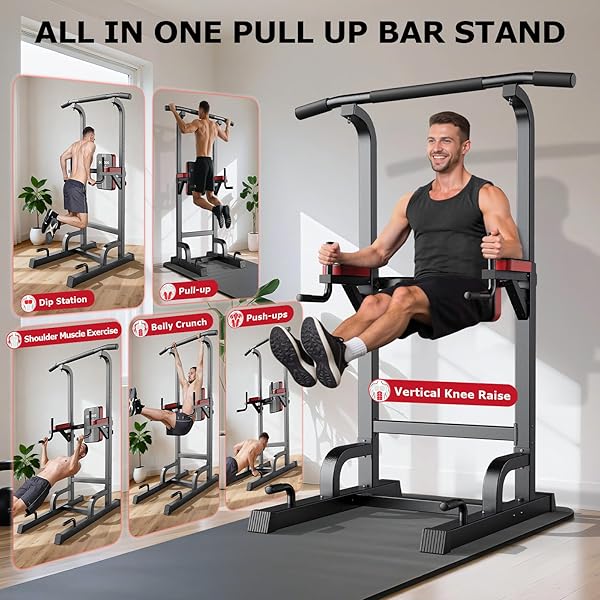


- ✓11 adjustable height levels from 71.4" to 84.9"
- ✓7-position backrest for dips, pull-ups, and leg raises
- ✓Safety locknut system prevents slipping during workouts
Check Price
available at
44% off
1

4,566reviews
Pooboo Power Tower Dip Station Pull Up Bar
- ✓11 adjustable height levels from 71.4" to 84.9"
- ✓7-position backrest for dips, pull-ups, and leg raises
- ✓Safety locknut system prevents slipping during workouts
9.0
Check Price
available at
2
-13%
9.0
RELIFE Power Tower Pull Up Bar


- ✓Supports 400 lbs with safety locknut
- ✓4 suction cups prevent wobbling during use
- ✓3 adjustable handle levels for all heights
Check Price
available at
13% off
2

RELIFE Power Tower Pull Up Bar
- ✓Supports 400 lbs with safety locknut
- ✓4 suction cups prevent wobbling during use
- ✓3 adjustable handle levels for all heights
9.0
Check Price
available at
3
Best Overall
8.8
17,738 reviews
Sportsroyals Power Tower Pull Up Bar

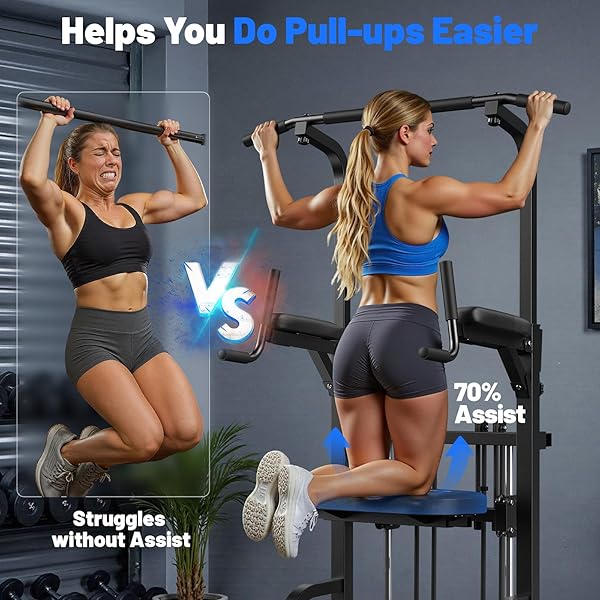

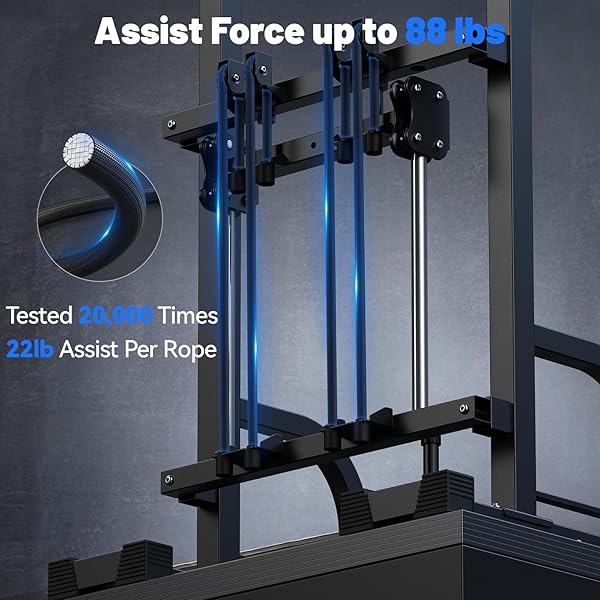
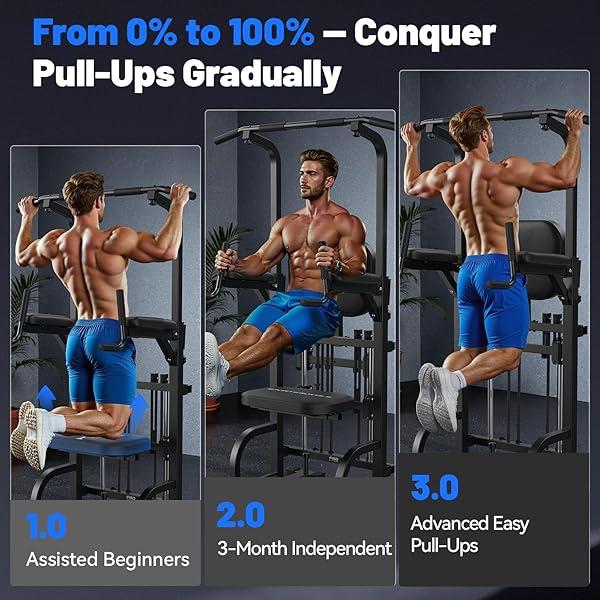
- ✓2-in-1 assisted pad reduces body weight
- ✓High-density sponge provides resistance support
- ✓Stable frame for multiple workout styles
Check Price
available at
3Best Overall

17,738reviews
Sportsroyals Power Tower Pull Up Bar
- ✓2-in-1 assisted pad reduces body weight
- ✓High-density sponge provides resistance support
- ✓Stable frame for multiple workout styles
8.8
Check Price
available at
4
-22%
7.8
RitFit M1 Pro Smith Machine Cable Crossover
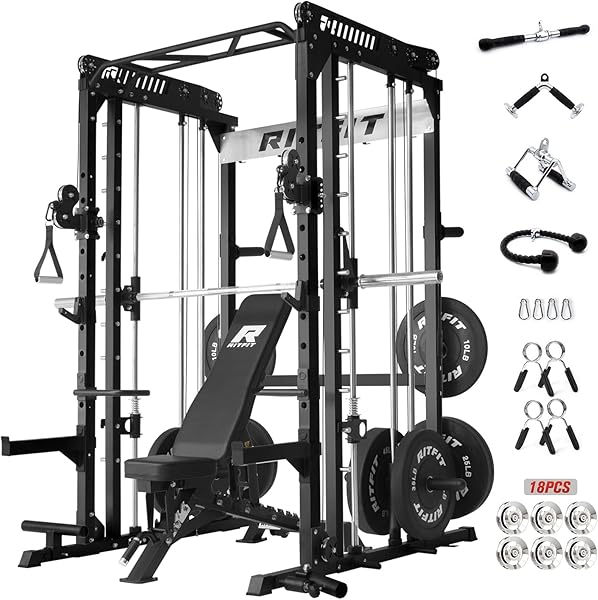
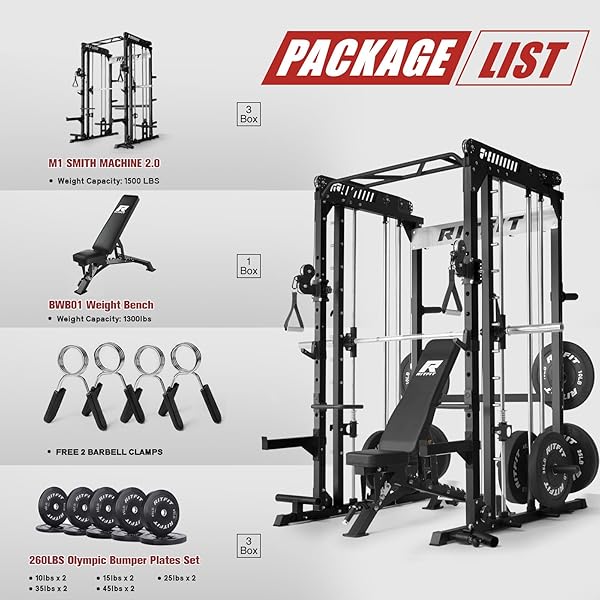
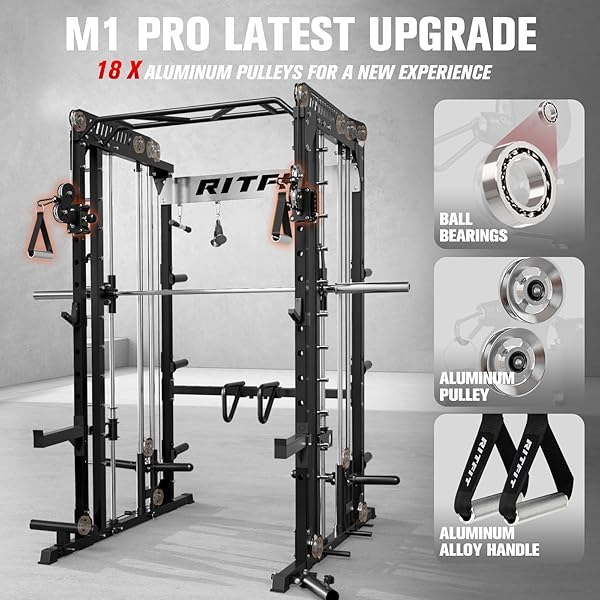


- ✓Heavy-duty 2"x2" steel uprights support all exercises
- ✓Integrated cable crossover system for compound training
- ✓64.5"L x 68.1"W footprint fits most home gyms
Check Price
available at
22% off
4
RitFit M1 Pro Smith Machine Cable Crossover
- ✓Heavy-duty 2"x2" steel uprights support all exercises
- ✓Integrated cable crossover system for compound training
- ✓64.5"L x 68.1"W footprint fits most home gyms
7.8
Check Price
available at
5
7.7
ONETWOFIT Multi-Function Power Tower
- ✓400 lbs weight capacity tested
- ✓9 height adjustable positions
- ✓Foam padded grips for comfort
Check Price
available at
5
ONETWOFIT Multi-Function Power Tower
- ✓400 lbs weight capacity tested
- ✓9 height adjustable positions
- ✓Foam padded grips for comfort
7.7
Check Price
available at
6
Best Budget
7.5
Stamina Power Tower 1690
- ✓300 lbs maximum user weight
- ✓Padded backrest for support
- ✓Non-slip rubber feet included
Check Price
available at
6Best Budget
Stamina Power Tower 1690
- ✓300 lbs maximum user weight
- ✓Padded backrest for support
- ✓Non-slip rubber feet included
7.5
Check Price
available at
7
7.4
Ainfox Freestanding Power Tower
- ✓350 lbs capacity heavy duty
- ✓Triangular frame structure
- ✓Adjustable height 67-90 inches
Check Price
available at
7
Ainfox Freestanding Power Tower
- ✓350 lbs capacity heavy duty
- ✓Triangular frame structure
- ✓Adjustable height 67-90 inches
7.4
Check Price
available at
8
7.2
Yes4All Multi-Grip Dip Station
- ✓500 lbs weight capacity steel
- ✓Multiple grip width options
- ✓Powder coated finish durable
Check Price
available at
8
Yes4All Multi-Grip Dip Station
- ✓500 lbs weight capacity steel
- ✓Multiple grip width options
- ✓Powder coated finish durable
7.2
Check Price
available at
9
7.1
PASYOU Power Tower Adjustable
- ✓330 lbs user weight limit
- ✓11 adjustable height levels
- ✓Thick foam padding grips
Check Price
available at
9
PASYOU Power Tower Adjustable
- ✓330 lbs user weight limit
- ✓11 adjustable height levels
- ✓Thick foam padding grips
7.1
Check Price
available at
10
7.0
Weider Power Tower 200
- ✓250 lbs weight capacity rated
- ✓Compact vertical design
- ✓Vinyl covered grips soft
Check Price
available at
10
Weider Power Tower 200
- ✓250 lbs weight capacity rated
- ✓Compact vertical design
- ✓Vinyl covered grips soft
7.0
Check Price
available at
Buyer's Guide
Weight Capacity and Frame Stability
Look for dip stations rated for at least 300-400 lbs with heavy-gauge steel construction (14-16 gauge minimum). Wider base widths (40+ inches) provide better stability during dips and pull-ups. Triangular or A-frame designs resist wobbling better than straight-leg models. Check for non-slip rubber feet or suction cups—cheap plastic caps create dangerous movement on hardwood or tile.
Adjustability and Exercise Versatility
Basic dip stations offer only parallel bars, while power tower models add pull-up bars, push-up grips, and vertical knee raise (VKR) stations. Height-adjustable dip bars (typically 32-48 inches) accommodate users from 5'2" to 6'4". Multi-grip pull-up bars enable wide, narrow, and neutral grips for varied muscle targeting. If space is limited, prioritize compact dip stands; if building a home gym, power towers offer better exercise variety per dollar.
Padding Quality and Ergonomics
Dip bar padding should be dense foam (2+ inches thick) that doesn't compress flat after months of use. Back and armrest pads on power towers need similar durability—thin vinyl tears quickly from friction. Textured or rubberized grips prevent hand slippage during sweaty workouts. Bar diameter matters: 1.5-1.75 inches suits most hand sizes, while narrower bars cause grip fatigue faster.
Assembly and Footprint
Most models require 30-60 minutes of assembly with included Allen wrenches. Check overall dimensions—power towers typically need 50x40 inches of floor space and 7-8 feet of ceiling clearance. Foldable models sacrifice some stability but reduce storage footprint by 50%. Read reviews specifically mentioning missing hardware or unclear instructions, as this indicates quality control issues.
FAQ
What's the difference between a dip station and a power tower?+
A basic dip station has only parallel bars for dips and costs $60-100, while a power tower adds pull-up bars, push-up grips, and VKR stations for $120-200. Power towers offer 4-6 exercises versus 1-2 on standalone dip stations.
How much space do I need for a dip station?+
Basic dip stands require about 30x24 inches of floor space, while full power towers need 50x40 inches and 7-8 feet of ceiling height for pull-ups. Measure your workout area and add 2 feet of clearance on all sides for safe movement.
Can dip stations support heavy users over 250 lbs?+
Yes, but verify the weight rating—quality models support 300-450 lbs with reinforced welds and 14-gauge steel tubing. Budget stations under $80 often max out at 220-250 lbs and wobble under heavier loads or explosive movements.
Are padded or unpadded dip bars better?+
Padded bars (2+ inches foam) reduce wrist strain and prevent calluses during high-rep sets, while bare steel bars offer better grip control for advanced athletes. Most users prefer padding, but ensure it's dense foam that won't compress flat within 6 months.
How We Rank
Updated April 2026 · refreshed monthly
Each ranking combines verified-purchase reviews from Amazon, expert research from independent publications, and our editors' own judgment on what each product is genuinely best for.
Read our full method →