Best Air Compressors
Find the best air compressors for DIY and professional use.
Updated April 202610 picks1 min read
iAdvertising Disclosure▾
1
Best Overall
8.8
9,676 reviews
AstroAI L7 Tire Inflator

- ✓200Hz sensor reads pressure 200x/second
- ✓80% valid data rate for accuracy
- ✓Battery powered for roadside emergencies
Check Price
available at
1Best Overall

9,676reviews
AstroAI L7 Tire Inflator
- ✓200Hz sensor reads pressure 200x/second
- ✓80% valid data rate for accuracy
- ✓Battery powered for roadside emergencies
8.8
Check Price
available at
2
9.4
504 reviews
WOLFBOX MF60 Air Duster 110000RPM
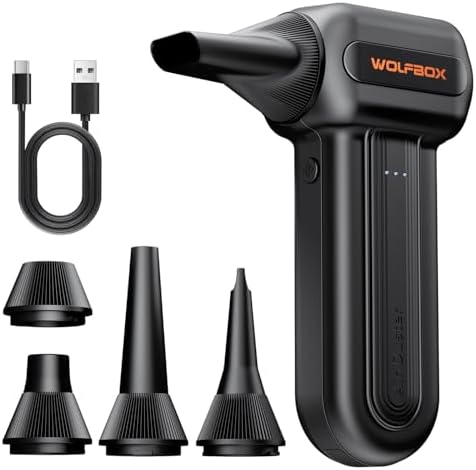
- ✓110000RPM brushless motor in third gear
- ✓Dual 2500mAh batteries provide 240min runtime
- ✓Lightweight portable design for all surfaces
Check Price
available at
2
504reviews
WOLFBOX MF60 Air Duster 110000RPM
- ✓110000RPM brushless motor in third gear
- ✓Dual 2500mAh batteries provide 240min runtime
- ✓Lightweight portable design for all surfaces
9.4
Check Price
available at
3
9.2
17,775 reviews
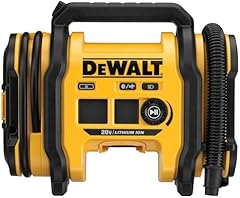
DEWALT 20V Portable Tire Inflator

- ✓High-pressure mode with automatic shutoff
- ✓Three power sources: 20V battery, 12V DC, 110V AC
- ✓Onboard storage and LED light for convenience
Check Price
available at
3
17,775reviews
DEWALT 20V Portable Tire Inflator
- ✓High-pressure mode with automatic shutoff
- ✓Three power sources: 20V battery, 12V DC, 110V AC
- ✓Onboard storage and LED light for convenience
9.2
Check Price
available at
4
Best Value
9.2
10,671 reviews
WOLFBOX MegaFlow 50 Air Duster

- ✓110,000 RPM turbo fan removes dust effectively
- ✓Three adjustable speed settings for precision
- ✓Durable reusable design saves on replacements
Check Price
available at
4Best Value

10,671reviews
WOLFBOX MegaFlow 50 Air Duster
- ✓110,000 RPM turbo fan removes dust effectively
- ✓Three adjustable speed settings for precision
- ✓Durable reusable design saves on replacements
9.2
Check Price
available at
5
9.2
3,525 reviews
GOOLOO A3 Jump Starter 3000A
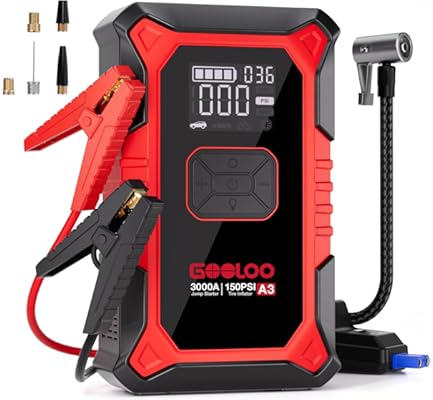
- ✓3000A peak power for 9L gas engines
- ✓1000+ charge cycles with built-in air compressor
- ✓USB charging for phones and devices
Check Price
available at
5
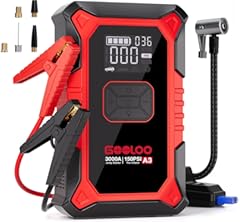
3,525reviews
GOOLOO A3 Jump Starter 3000A
- ✓3000A peak power for 9L gas engines
- ✓1000+ charge cycles with built-in air compressor
- ✓USB charging for phones and devices
9.2
Check Price
available at
6
9.2
1,551 reviews
WOLFBOX 4000A Jump Starter + Air Compressor

- ✓4000A peak power with 160PSI air compressor
- ✓24000mAh power bank charges phones and tablets
- ✓LED distress, strobe, and high beam modes
Check Price
available at
6

1,551reviews
WOLFBOX 4000A Jump Starter + Air Compressor
- ✓4000A peak power with 160PSI air compressor
- ✓24000mAh power bank charges phones and tablets
- ✓LED distress, strobe, and high beam modes
9.2
Check Price
available at
7
9.0
104,695 reviews
AstroAI Portable Tire Inflator 12V
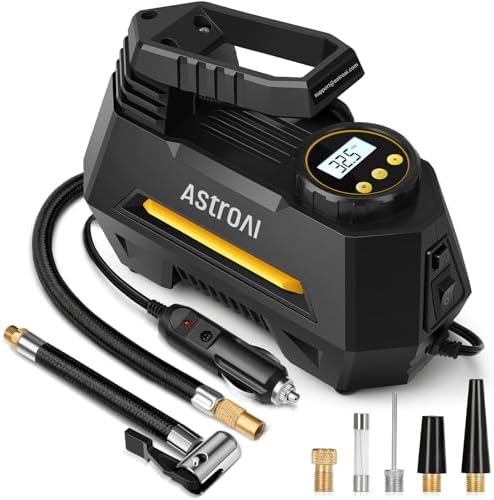
- ✓Requires 12V DC power from running vehicle
- ✓9.8-foot cord reaches all four tires
- ✓Programmable inflation with preset pressure buttons
Check Price
available at
7

104,695reviews
AstroAI Portable Tire Inflator 12V
- ✓Requires 12V DC power from running vehicle
- ✓9.8-foot cord reaches all four tires
- ✓Programmable inflation with preset pressure buttons
9.0
Check Price
available at
8
9.0
5,588 reviews
Compressed Air Duster 100000RPM
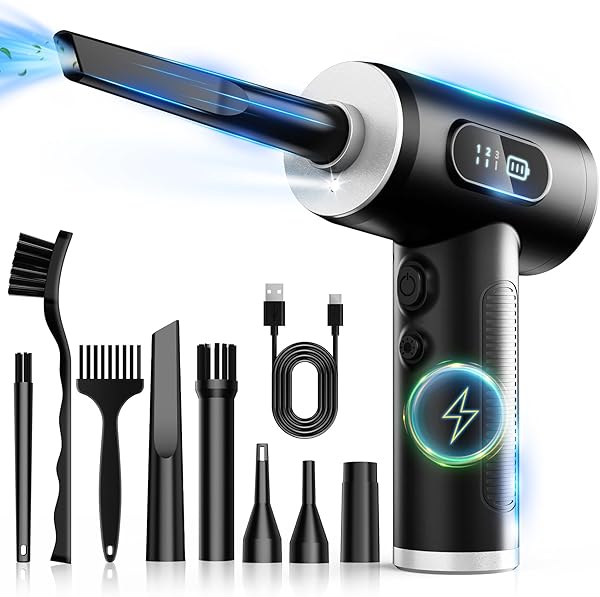
- ✓100000RPM motor with 3 speed modes
- ✓Powerful focused airflow removes crumbs easily
- ✓Adjustable settings for different cleaning tasks
Check Price
available at
8
5,588reviews
Compressed Air Duster 100000RPM
- ✓100000RPM motor with 3 speed modes
- ✓Powerful focused airflow removes crumbs easily
- ✓Adjustable settings for different cleaning tasks
9.0
Check Price
available at
9
9.0
4,548 reviews
OlarHike Portable Tire Inflator

- ✓Inflates car tire 30-35 PSI in 55 seconds
- ✓Works on cars, SUVs, and light pickups
- ✓High-performance motor for rapid airflow
Check Price
available at
9

4,548reviews
OlarHike Portable Tire Inflator
- ✓Inflates car tire 30-35 PSI in 55 seconds
- ✓Works on cars, SUVs, and light pickups
- ✓High-performance motor for rapid airflow
9.0
Check Price
available at
10
8.0
8 reviews
Airmoto Portable Tire Inflator with Digital Gauge

- ✓150 PSI max pressure for cars, motorcycles, bicycles
- ✓Auto shut-off when target pressure reached
- ✓LED light with cordless battery operation
Check Price
available at
10

8reviews
Airmoto Portable Tire Inflator with Digital Gauge
- ✓150 PSI max pressure for cars, motorcycles, bicycles
- ✓Auto shut-off when target pressure reached
- ✓LED light with cordless battery operation
8.0
Check Price
available at
Buyer's Guide
CFM and PSI Output
CFM (cubic feet per minute) determines how quickly you can run air tools, while PSI (pounds per square inch) measures pressure. For inflating tires, 1-2 CFM at 30-50 PSI suffices. Operating impact wrenches or spray guns requires 4+ CFM at 90 PSI. Pancake compressors (2-6 gallon tanks) deliver 2-4 CFM, suitable for nail guns and light work. Vertical/horizontal models (20-60 gallon) provide 5-15 CFM for sustained heavy-duty use. Portable 12V inflators max out around 1.5 CFM—fine for occasional tire filling but inadequate for pneumatic tools.
Tank Size vs. Portability
Larger tanks (20+ gallons) reduce motor cycling and provide continuous airflow for extended tasks, but weigh 100+ pounds. Pancake compressors (2-6 gallons) weigh 30-50 pounds with carrying handles, ideal for job sites requiring mobility. Cordless inflators (no tank) weigh 2-5 pounds and fit in a glovebox but take 5-8 minutes per tire versus 60 seconds for tank models. Match tank capacity to your longest typical task duration.
Power Source
AC-powered compressors (110V or 220V) deliver consistent performance for shop use but require outlets. Cordless 20V models offer convenience for roadside emergencies and camping, running 25-40 minutes per battery charge. Dual-power units (AC + 12V DC) provide flexibility but cost 30-50% more. Verify your vehicle's 12V outlet amperage—most cap at 10A, limiting inflator performance compared to direct battery connection.
Noise Level and Duty Cycle
Oil-free compressors generate 75-90 dB (leaf blower volume), problematic for residential garages. Oil-lubricated models run quieter (60-75 dB) and last longer but require maintenance every 500 hours. Check duty cycle ratings: 50% means 30 minutes on, 30 minutes cooling. Budget compressors often overheat during continuous operation. For frequent use, select models rated for 75%+ duty cycles or thermal overload protection.
FAQ
What size air compressor do I need to run an impact wrench?+
A ½-inch impact wrench requires 4-5 CFM at 90 PSI minimum. Choose a compressor with a 20+ gallon tank and 5+ CFM rating to avoid constant refilling during automotive work.
Can a portable tire inflator fill truck tires from flat?+
Most 12V inflators can inflate truck tires (35-80 PSI) but require 15-30 minutes from flat versus 2-3 minutes for AC-powered compressors. They work best for topping off 10-15 PSI losses.
How often should I drain my air compressor tank?+
Drain moisture daily after use in humid conditions, weekly for casual use. Accumulated water causes rust and contaminates air tools, reducing their lifespan by 50%.
Are oil-free compressors better than oil-lubricated models?+
Oil-free models require zero maintenance and cost less upfront but last 500-1000 hours versus 2000-5000 hours for oil-lubricated compressors. Choose oil-free for occasional DIY use, oil-lubricated for daily professional work.
How We Rank
Updated April 2026 · refreshed monthly
Each ranking combines verified-purchase reviews from Amazon, expert research from independent publications, and our editors' own judgment on what each product is genuinely best for.
Read our full method →