Best Gaming Consoles
Find the best gaming consoles for every gamer.
Updated April 202610 picks1 min read
iAdvertising Disclosure▾
1
Best Overall
8.4
2,200 reviews
P30S Handheld Game Console 220 Games
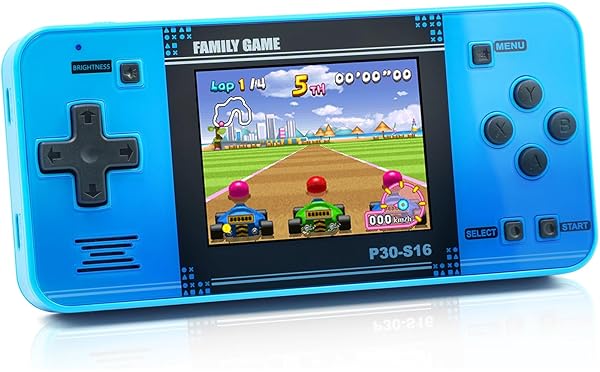
- ✓220 preloaded retro video games included
- ✓Kid-friendly ergonomic design fits small hands
- ✓Arcade-style appearance with portable battery
Check Price
available at
1Best Overall
2,200reviews
P30S Handheld Game Console 220 Games
- ✓220 preloaded retro video games included
- ✓Kid-friendly ergonomic design fits small hands
- ✓Arcade-style appearance with portable battery
8.4
Check Price
available at
2
9.6
59,123 reviews
Nintendo Switch Lite Coral Handheld
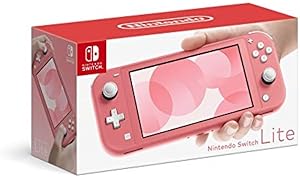
- ✓5.5-inch screen for portable gaming
- ✓Weighs 581g for comfortable handheld play
- ✓Local wireless multiplayer without dock
Check Price
available at
2
59,123reviews
Nintendo Switch Lite Coral Handheld
- ✓5.5-inch screen for portable gaming
- ✓Weighs 581g for comfortable handheld play
- ✓Local wireless multiplayer without dock
9.6
Check Price
available at
3
9.6
30,974 reviews
Xbox Series X Gaming Console
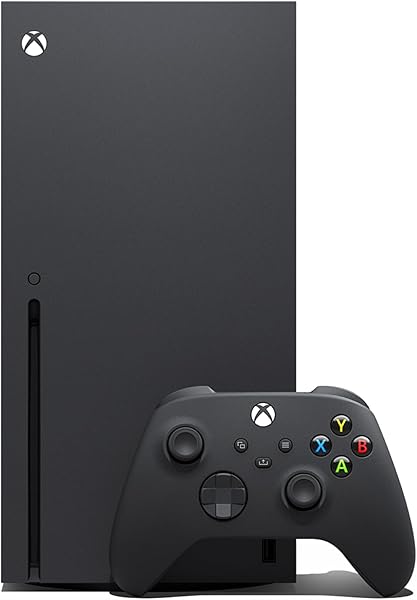
- ✓12 teraflops GPU delivers 4K/120fps gaming
- ✓Quick Resume instantly switches between 4 games
- ✓Play games from Xbox One, 360, and original Xbox
Check Price
available at
3
30,974reviews
Xbox Series X Gaming Console
- ✓12 teraflops GPU delivers 4K/120fps gaming
- ✓Quick Resume instantly switches between 4 games
- ✓Play games from Xbox One, 360, and original Xbox
9.6
Check Price
available at
4
Best Value
9.4
4,341 reviews
Nex Playground Active Play System

- ✓Includes Fruit Ninja and Starri games
- ✓Play Pass unlocks additional content
- ✓Full-body active gaming for families
Check Price
available at
4Best Value

4,341reviews
Nex Playground Active Play System
- ✓Includes Fruit Ninja and Starri games
- ✓Play Pass unlocks additional content
- ✓Full-body active gaming for families
9.4
Check Price
available at
5
9.4
3,008 reviews
Xbox Series S All-Digital Console
- ✓8-core AMD Zen 2 processor at 3.6GHz
- ✓10GB RAM for smooth 1440p gaming
- ✓Compact design weighs just 3.1kg
Check Price
available at
5
3,008reviews
Xbox Series S All-Digital Console
- ✓8-core AMD Zen 2 processor at 3.6GHz
- ✓10GB RAM for smooth 1440p gaming
- ✓Compact design weighs just 3.1kg
9.4
Check Price
available at
6
9.2
22,092 reviews
Logitech G920 Driving Force Racing Wheel
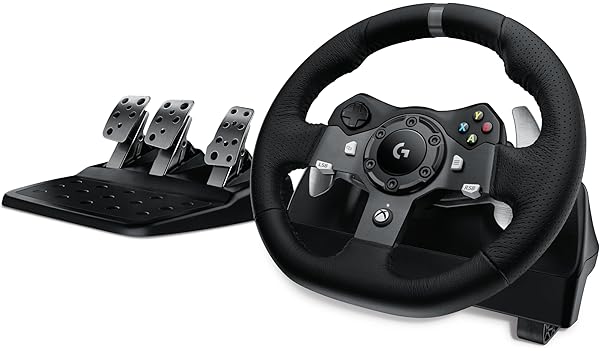
- ✓Compatible with Xbox One and PC platforms
- ✓900-degree force feedback steering rotation
- ✓Responsive pedal set with progressive braking
Check Price
available at
6
22,092reviews
Logitech G920 Driving Force Racing Wheel
- ✓Compatible with Xbox One and PC platforms
- ✓900-degree force feedback steering rotation
- ✓Responsive pedal set with progressive braking
9.2
Check Price
available at
7
9.0
6,499 reviews
PlayStation 5 Portal Remote Player
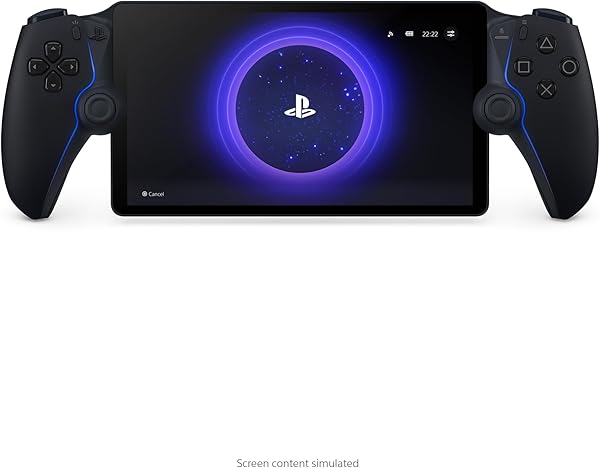
- ✓Stream 700+ PS5 games wirelessly to handheld
- ✓Play new titles added monthly to Game Catalog
- ✓8-inch LCD screen with haptic feedback controls
Check Price
available at
7
6,499reviews
PlayStation 5 Portal Remote Player
- ✓Stream 700+ PS5 games wirelessly to handheld
- ✓Play new titles added monthly to Game Catalog
- ✓8-inch LCD screen with haptic feedback controls
9.0
Check Price
available at
8
8.0
1,143 reviews
Nintendo Switch Neon Blue/Red Joy-Con
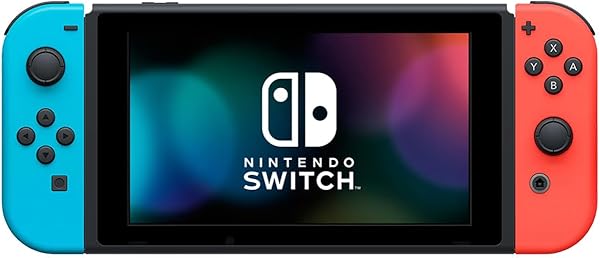
- ✓6.2" LCD screen with 3 play modes
- ✓Professional inspection and testing included
- ✓TV, tabletop, and handheld gaming
Check Price
available at
8
1,143reviews
Nintendo Switch Neon Blue/Red Joy-Con
- ✓6.2" LCD screen with 3 play modes
- ✓Professional inspection and testing included
- ✓TV, tabletop, and handheld gaming
8.0
Check Price
available at
9
8.0
8 reviews
R36MAX Retro Handheld Console 4" 720p
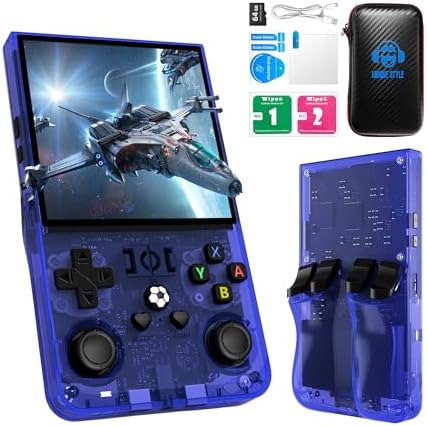
- ✓18,000+ classic games built-in
- ✓RK3326 64-bit quad-core processor
- ✓64GB storage for 2D/3D gaming
Check Price
available at
9

8reviews
R36MAX Retro Handheld Console 4" 720p
- ✓18,000+ classic games built-in
- ✓RK3326 64-bit quad-core processor
- ✓64GB storage for 2D/3D gaming
8.0
Check Price
available at
10
7.8
12,541 reviews
Cronus Zen Xbox Controller Emulator
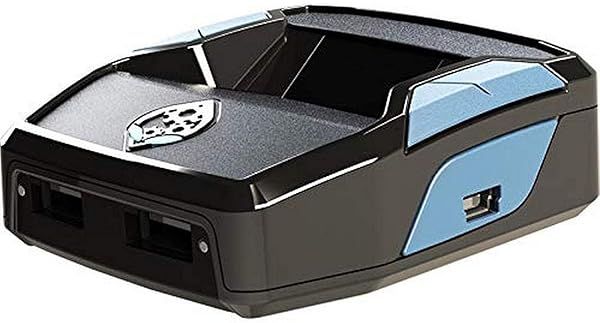
- ✓Works with Xbox Series X|S, One, 360 consoles
- ✓Compatible with Elite Series 2 and Scuf controllers
- ✓Supports PlayStation 5 and PlayStation 4
Check Price
available at
10
12,541reviews
Cronus Zen Xbox Controller Emulator
- ✓Works with Xbox Series X|S, One, 360 consoles
- ✓Compatible with Elite Series 2 and Scuf controllers
- ✓Supports PlayStation 5 and PlayStation 4
7.8
Check Price
available at
Buyer's Guide
Performance & Hardware Generation
Current-gen consoles (Xbox Series X/S, PS5) offer 4K gaming, ray tracing, and SSDs with load times under 5 seconds. Last-gen (Xbox One, PS4) maxes out at 1080p-1440p with longer loads. The Xbox Series X delivers true 4K at 60-120fps, while Series S targets 1440p at similar framerates for $200 less. Nintendo Switch offers portable 720p handheld or 1080p docked gameplay but can't match raw power—expect 30fps in demanding titles.
Game Library & Exclusives
PlayStation leads with story-driven exclusives (God of War, Spider-Man). Xbox prioritizes Game Pass—400+ games for $17/month including day-one releases. Nintendo dominates family-friendly and first-party titles (Zelda, Mario) but lacks third-party AAA support. Check which franchises matter most: Halo/Forza (Xbox), Uncharted/Horizon (PlayStation), or Pokémon/Animal Crossing (Nintendo).
Storage & Expandability
Series X includes 1TB (usable: ~800GB), Series S only 512GB—modern games consume 50-150GB each. Proprietary Xbox expansion cards cost $150-220 for 1-2TB. PlayStation uses standard M.2 SSDs ($100-180 for 1TB). Switch offers 32-64GB internal with microSD expansion ($25 for 256GB). Budget $100+ for storage if buying digital-only consoles.
Budget & Online Services
Series S ($299) offers best entry value with Game Pass. Series X ($499) and PS5 ($499) suit 4K TV owners. Switch ($299 standard, $199 Lite) works for portability. Online play requires subscriptions: Xbox Live Gold ($60/year), PlayStation Plus ($60/year), Nintendo Online ($20/year). Factor $5-17/month for subscriptions when comparing total costs.
FAQ
Should I buy a Series S or save for Series X?+
Buy Series X if you own a 4K TV and want disc drive compatibility—the GPU is 3x more powerful. Series S suits 1080p gaming or tight budgets but limits you to digital-only games, which rarely go on sale like physical copies.
Can I play my old Xbox One games on Series X/S?+
Yes, Xbox Series X/S plays 99% of Xbox One, 360, and original Xbox games with automatic performance boosts. Many titles run at higher framerates and resolutions without patches.
Is Nintendo Switch worth buying in 2024?+
Yes for exclusives and portability, but hardware is 7 years old with rumors of a Switch 2 in 2025. Wait if you can; buy now only if you need portability or must play current Nintendo titles.
Do I need to pay for online multiplayer on all consoles?+
Yes—Xbox Live Gold, PlayStation Plus, and Nintendo Switch Online all require subscriptions ($20-60/year) for multiplayer. Free-to-play games like Fortnite don't require subscriptions on any platform.
How We Rank
Updated April 2026 · refreshed monthly
Each ranking combines verified-purchase reviews from Amazon, expert research from independent publications, and our editors' own judgment on what each product is genuinely best for.
Read our full method →