Best Wi-Fi Routers
Find the best Wi-Fi routers for whole-home coverage.
Updated April 202610 picks1 min read
iAdvertising Disclosure▾
1
Best Overall
8.8
16,996 reviews
TP-Link Deco X55 AX3000 Mesh WiFi 6
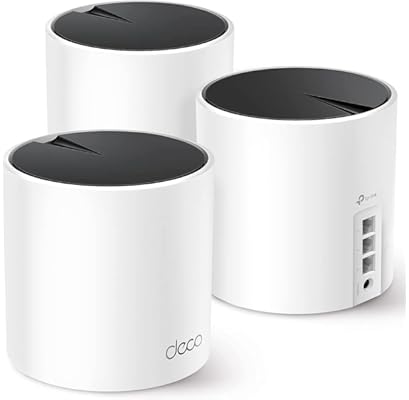
- ✓AX3000 covers 6500 sq ft with WiFi 6 speeds
- ✓2×2 MIMO streams eliminate dead zones
- ✓Built-in cybersecurity protection included
Check Price
available at
1Best Overall
16,996reviews
TP-Link Deco X55 AX3000 Mesh WiFi 6
- ✓AX3000 covers 6500 sq ft with WiFi 6 speeds
- ✓2×2 MIMO streams eliminate dead zones
- ✓Built-in cybersecurity protection included
8.8
Check Price
available at
2
9.0
1,028 reviews
TP-Link BE6500 WiFi 7 Router
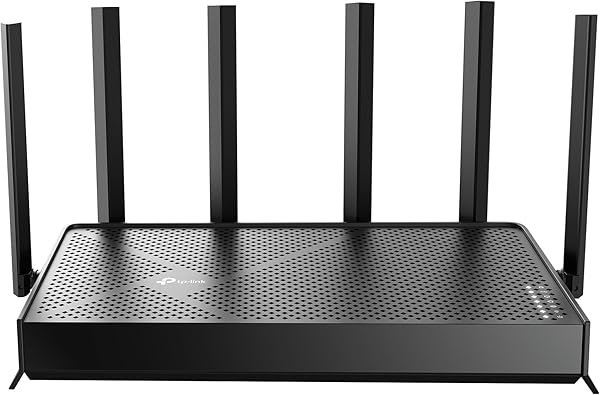
- ✓WiFi 7 with Multi-Link Operation for faster speeds
- ✓6.5 Gbps combined bandwidth supports 4K streaming
- ✓Advanced cybersecurity with encrypted connections
Check Price
available at
2
1,028reviews
TP-Link BE6500 WiFi 7 Router
- ✓WiFi 7 with Multi-Link Operation for faster speeds
- ✓6.5 Gbps combined bandwidth supports 4K streaming
- ✓Advanced cybersecurity with encrypted connections
9.0
Check Price
available at
3
Best Value
8.8
24,088 reviews
TP-Link Archer AX21 V5 WiFi 6 Router

- ✓WiFi 6 delivers 1.8 Gbps across dual bands
- ✓Reduces network congestion with 802.11ax tech
- ✓Requires separate modem for internet service
Check Price
available at
3Best Value

24,088reviews
TP-Link Archer AX21 V5 WiFi 6 Router
- ✓WiFi 6 delivers 1.8 Gbps across dual bands
- ✓Reduces network congestion with 802.11ax tech
- ✓Requires separate modem for internet service
8.8
Check Price
available at
4
8.8
10,066 reviews
Amazon eero 6+ Mesh WiFi System
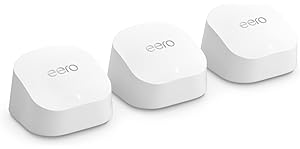
- ✓WiFi 6 with gigabit speeds up to 1Gbps
- ✓Backward compatible with previous eero devices
- ✓Covers up to 5,000 sq ft with 3-pack
Check Price
available at
4
10,066reviews
Amazon eero 6+ Mesh WiFi System
- ✓WiFi 6 with gigabit speeds up to 1Gbps
- ✓Backward compatible with previous eero devices
- ✓Covers up to 5,000 sq ft with 3-pack
8.8
Check Price
available at
5
8.8
1,601 reviews
Amazon eero 7 Wi-Fi 7 Mesh Router

- ✓Wi-Fi 7 performance at affordable price point
- ✓Eliminates dead spots with mesh coverage
- ✓Supports high-speed internet connections
Check Price
available at
5

1,601reviews
Amazon eero 7 Wi-Fi 7 Mesh Router
- ✓Wi-Fi 7 performance at affordable price point
- ✓Eliminates dead spots with mesh coverage
- ✓Supports high-speed internet connections
8.8
Check Price
available at
6
8.8
1,075 reviews
Amazon eero Pro 7 Wi-Fi 7 Mesh Router

- ✓Wi-Fi 7 delivers multi-gigabit speeds
- ✓Tri-band mesh covers large homes reliably
- ✓Manages high-bandwidth networks seamlessly
Check Price
available at
6

1,075reviews
Amazon eero Pro 7 Wi-Fi 7 Mesh Router
- ✓Wi-Fi 7 delivers multi-gigabit speeds
- ✓Tri-band mesh covers large homes reliably
- ✓Manages high-bandwidth networks seamlessly
8.8
Check Price
available at
7
8.8
365 reviews
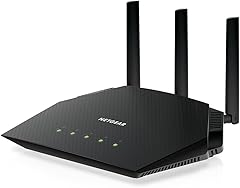
NETGEAR Nighthawk RAX36 WiFi 6 Router

- ✓3Gbps AX3000 speeds with WiFi 6 technology
- ✓Covers 2,000 sq. ft. for up to 25 devices
- ✓Requires separate cable modem connection
Check Price
available at
7
365reviews
NETGEAR Nighthawk RAX36 WiFi 6 Router
- ✓3Gbps AX3000 speeds with WiFi 6 technology
- ✓Covers 2,000 sq. ft. for up to 25 devices
- ✓Requires separate cable modem connection
8.8
Check Price
available at
8
8.6
1,129 reviews
TP-Link Archer BE3600 Wi-Fi 7 Router

- ✓BE3600 speed with dual-band 2.4/5GHz coverage
- ✓Connects phones, TVs, and gaming devices reliably
- ✓Advanced routing handles multiple devices smoothly
Check Price
available at
8

1,129reviews
TP-Link Archer BE3600 Wi-Fi 7 Router
- ✓BE3600 speed with dual-band 2.4/5GHz coverage
- ✓Connects phones, TVs, and gaming devices reliably
- ✓Advanced routing handles multiple devices smoothly
8.6
Check Price
available at
9
8.6
506 reviews
TP-Link Deco 7 BE23 WiFi 7 Mesh

- ✓BE3600 speed supports multi-gig modems
- ✓WiFi 7 dual-band technology for faster speeds
- ✓Built-in cybersecurity protection for all devices
Check Price
available at
9

506reviews
TP-Link Deco 7 BE23 WiFi 7 Mesh
- ✓BE3600 speed supports multi-gig modems
- ✓WiFi 7 dual-band technology for faster speeds
- ✓Built-in cybersecurity protection for all devices
8.6
Check Price
available at
10
8.4
7,322 reviews
GL.iNet GL-SFT1200 Portable WiFi Router

- ✓OpenVPN & WireGuard support with 30+ VPN providers
- ✓Cloudflare encryption protects public WiFi
- ✓Compact travel router for all devices
Check Price
available at
10

7,322reviews
GL.iNet GL-SFT1200 Portable WiFi Router
- ✓OpenVPN & WireGuard support with 30+ VPN providers
- ✓Cloudflare encryption protects public WiFi
- ✓Compact travel router for all devices
8.4
Check Price
available at
Buyer's Guide
Wi-Fi Standard and Speed
Wi-Fi 7 routers (like the eero 7 and TP-Link BE6500) offer theoretical speeds up to 5.8 Gbps and lower latency, but cost $200-400+. Wi-Fi 6 models (Nighthawk RAX36, eero 6+) deliver 1.8-3 Gbps for $100-200, which suffices for most homes with under 30 devices. Choose Wi-Fi 7 only if you have gigabit+ internet and frequently transfer large files locally.
Coverage Area and Mesh Capability
Single-unit routers like the Nighthawk RAX36 cover 1,500-2,500 sq ft but create dead zones in multi-story homes. Mesh systems (eero 6+, eero Pro 7) use multiple nodes to blanket 3,000-6,000+ sq ft with seamless roaming. Budget $100 per 1,500 sq ft of coverage—starter mesh kits include 2-3 nodes, with expansion units sold separately.
Device Capacity
Entry routers handle 20-25 simultaneous connections; premium models support 100+. The eero Pro 7 uses tri-band (one 6 GHz band dedicated to backhaul) to maintain speeds with 75+ devices, while dual-band routers like the RAX36 slow down past 40 devices. Count all smart home gadgets, phones, and streaming devices in your home.
Setup and Management Features
App-based routers (all eero models, TP-Link BE6500) offer guided setup in 10 minutes, automatic updates, and parental controls via smartphone. Traditional web interfaces require more technical knowledge but provide advanced settings like VPN servers and QoS prioritization. Eero systems charge $10/month for features like ad blocking and advanced security that competitors include free.
FAQ
Do I need Wi-Fi 7 or is Wi-Fi 6 good enough?+
Wi-Fi 6 handles 4K streaming and video calls for most households with under 50 devices. Upgrade to Wi-Fi 7 only if you have multi-gig internet (2 Gbps+) or regularly do VR gaming and 8K streaming.
Should I buy a mesh system or a single powerful router?+
Choose mesh for homes over 2,000 sq ft or multi-story layouts where a single router creates dead zones. Single routers work fine for apartments and small ranch-style homes under 1,800 sq ft.
How many mesh nodes do I actually need?+
Start with one node per 1,500 sq ft of living space—a 3,000 sq ft home needs a 2-pack. Add nodes only if you have persistent dead zones after testing the initial setup.
Can I use my old router with a new mesh system?+
No, mixing brands breaks mesh features like seamless roaming and centralized management. Your old router can work as a wired access point in a distant room, but won't communicate with the mesh network.
How We Rank
Updated April 2026 · refreshed monthly
Each ranking combines verified-purchase reviews from Amazon, expert research from independent publications, and our editors' own judgment on what each product is genuinely best for.
Read our full method →