Best Smart TVs
Find the best smart TVs for streaming and gaming.
Updated April 202610 picks1 min read
iAdvertising Disclosure▾
1
Best Overall
8.6
8,532 reviews
Insignia 50" F50 Series 4K LED Smart TV
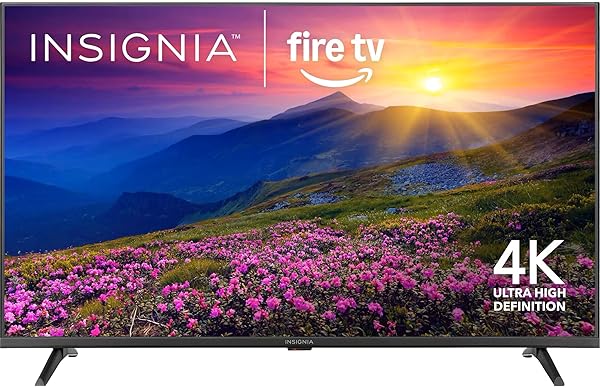
- ✓4K UHD (2160p) with HDR10 support
- ✓Upscales standard content to 4K quality
- ✓Built-in smart TV apps for streaming
Check Price
available at
1Best Overall
8,532reviews
Insignia 50" F50 Series 4K LED Smart TV
- ✓4K UHD (2160p) with HDR10 support
- ✓Upscales standard content to 4K quality
- ✓Built-in smart TV apps for streaming
8.6
Check Price
available at
2
9.4
108,432 reviews
Amazon Fire TV Stick 4K Plus
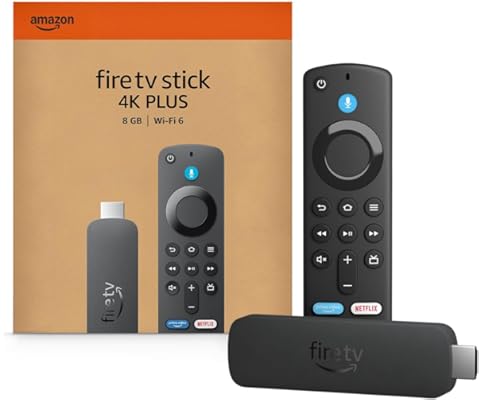
- ✓4K streaming with improved performance
- ✓Stream Xbox games without console
- ✓Alexa voice search included
Check Price
available at
2
108,432reviews
Amazon Fire TV Stick 4K Plus
- ✓4K streaming with improved performance
- ✓Stream Xbox games without console
- ✓Alexa voice search included
9.4
Check Price
available at
3
9.4
64,696 reviews
Amazon Fire TV Stick HD
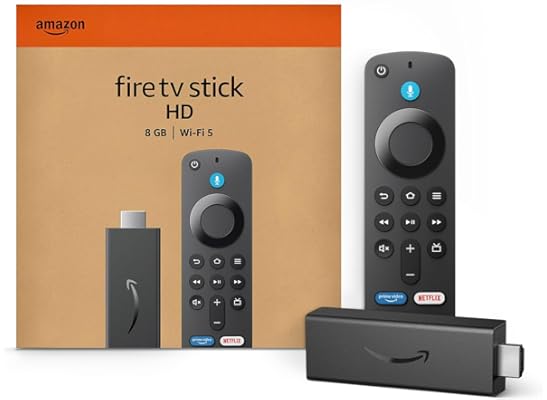
- ✓1080p streaming on HD TVs with fast performance
- ✓Alexa voice remote for hands-free control
- ✓Access free and live TV plus apps
Check Price
available at
3
64,696reviews
Amazon Fire TV Stick HD
- ✓1080p streaming on HD TVs with fast performance
- ✓Alexa voice remote for hands-free control
- ✓Access free and live TV plus apps
9.4
Check Price
available at
4
Best Value
9.2
501 reviews
Roku Select 40-Inch 1080p Smart TV

- ✓Fast Wi-Fi with instant app launches
- ✓1080p resolution with clear picture quality
- ✓Access 500+ streaming channels built-in
Check Price
available at
4Best Value

501reviews
Roku Select 40-Inch 1080p Smart TV
- ✓Fast Wi-Fi with instant app launches
- ✓1080p resolution with clear picture quality
- ✓Access 500+ streaming channels built-in
9.2
Check Price
available at
5
8.6
889 reviews
Amazon Ember 50" 4K Fire TV
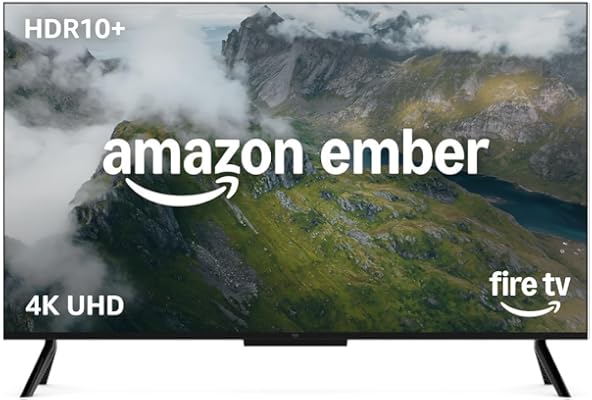
- ✓4K Ultra HD with HDR10+ for vivid picture
- ✓Fire TV built-in for instant streaming access
- ✓Enhanced brightness and clear audio quality
Check Price
available at
5
889reviews
Amazon Ember 50" 4K Fire TV
- ✓4K Ultra HD with HDR10+ for vivid picture
- ✓Fire TV built-in for instant streaming access
- ✓Enhanced brightness and clear audio quality
8.6
Check Price
available at
6
8.6
14 reviews
Roku Select 65" 4K Smart TV
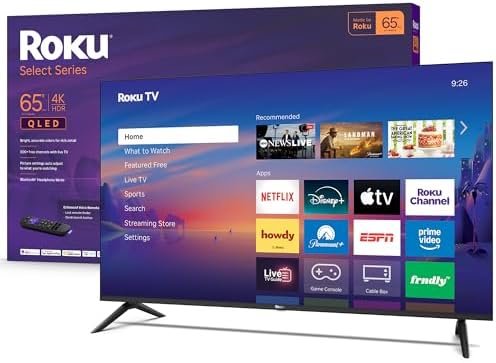
- ✓4K resolution with sharp, detailed picture
- ✓Fast Wi-Fi streaming with instant app launch
- ✓Roku OS with seamless entertainment access
Check Price
available at
6
14reviews
Roku Select 65" 4K Smart TV
- ✓4K resolution with sharp, detailed picture
- ✓Fast Wi-Fi streaming with instant app launch
- ✓Roku OS with seamless entertainment access
8.6
Check Price
available at
7
8.4
8,301 reviews
Amazon Fire TV Stick 4K Select
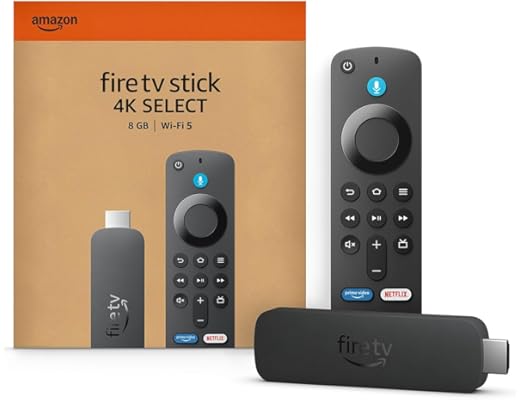
- ✓4K Ultra HD streaming with HDR10+ support
- ✓Access thousands of apps in one device
- ✓Voice search across multiple streaming services
Check Price
available at
7
8,301reviews
Amazon Fire TV Stick 4K Select
- ✓4K Ultra HD streaming with HDR10+ support
- ✓Access thousands of apps in one device
- ✓Voice search across multiple streaming services
8.4
Check Price
available at
8
8.4
3,199 reviews
Samsung 55" Crystal UHD U8000F 4K TV
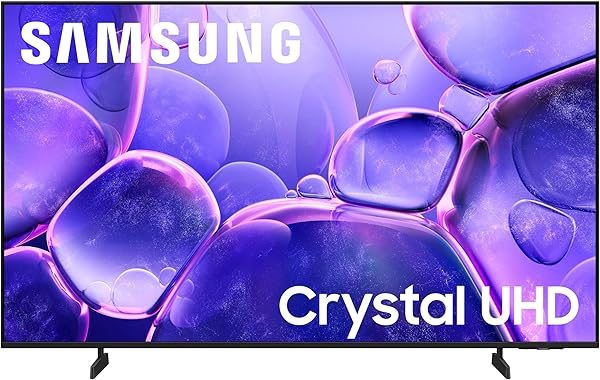
- ✓3D color mapping upscales content to 4K clarity
- ✓55-inch display with crystal UHD resolution
- ✓Smart TV with elegant design for any room
Check Price
available at
8
3,199reviews
Samsung 55" Crystal UHD U8000F 4K TV
- ✓3D color mapping upscales content to 4K clarity
- ✓55-inch display with crystal UHD resolution
- ✓Smart TV with elegant design for any room
8.4
Check Price
available at
9
8.0
3,439 reviews
INSIGNIA 32" F20 Series HD Smart TV
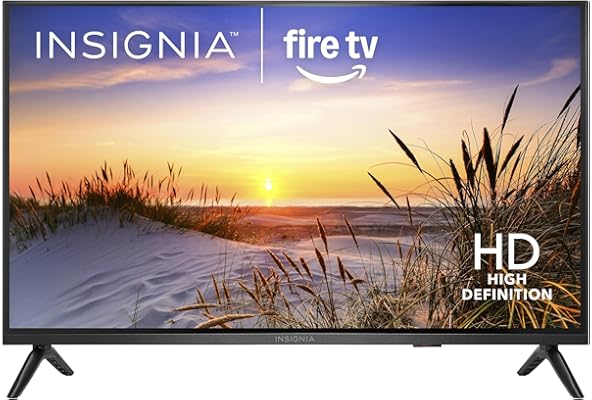
- ✓720p HD resolution for movies and games
- ✓Alexa voice control with dedicated remote
- ✓Fire TV built-in for streaming apps
Check Price
available at
9
3,439reviews
INSIGNIA 32" F20 Series HD Smart TV
- ✓720p HD resolution for movies and games
- ✓Alexa voice control with dedicated remote
- ✓Fire TV built-in for streaming apps
8.0
Check Price
available at
10
8.0
9 reviews
No Stud Drywall TV Mount 13-55"
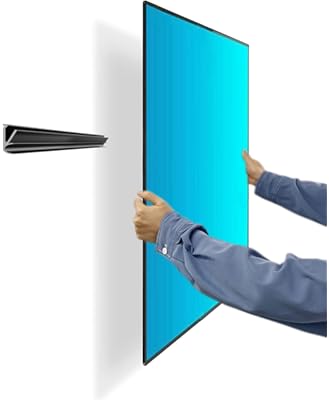
- ✓Fits 13-55" TVs up to 99 lbs without studs
- ✓Compatible with Samsung, Sony, LG, Vizio, TCL
- ✓VESA standard mounting for secure installation
Check Price
available at
10
9reviews
No Stud Drywall TV Mount 13-55"
- ✓Fits 13-55" TVs up to 99 lbs without studs
- ✓Compatible with Samsung, Sony, LG, Vizio, TCL
- ✓VESA standard mounting for secure installation
8.0
Check Price
available at
Buyer's Guide
Display Resolution and Size
For 2024, prioritize 4K resolution (3840×2160) for screens 43" and larger—1080p is only acceptable for budget sets under 40". Viewing distance matters: sit 1.5× the screen width away for 4K (a 55" TV works best 6.9 feet away). OLED delivers perfect blacks and infinite contrast but costs $1,000+ for 55", while LED/LCD models offer better brightness (500+ nits) for bright rooms at half the price.
Smart Platform and App Support
Fire TV, Roku, and Google TV dominate built-in platforms. All support Netflix, Prime Video, Disney+, and YouTube, but verify niche services (Peacock, Paramount+) before buying. Fire TV integrates Alexa voice control; Roku offers the simplest interface with 500,000+ streaming channels; Google TV excels at personalized recommendations. Updates matter—budget TVs may lose app support after 2-3 years.
Gaming Performance (HDMI 2.1 Features)
Serious gamers need HDMI 2.1 with 4K@120Hz support, variable refresh rate (VRR), and auto low-latency mode (ALLM). Input lag under 20ms is essential—budget TVs often exceed 40ms. Look for dedicated "Game Mode" that disables motion smoothing. Mid-range models ($500-800) now include these features, but verify specs since "4K 60Hz" TVs can't display PS5/Xbox Series X at full capability.
HDR and Picture Quality
HDR10 is standard; Dolby Vision (dynamic metadata) produces noticeably better highlights on quality content. Minimum 400 nits peak brightness for HDR—budget sets claiming HDR often hit only 250 nits and look washed out. Local dimming zones improve contrast: 50+ zones for 55" TVs is good, 200+ is excellent. Avoid edge-lit LED panels for dark room viewing—full-array backlighting costs $100-200 more but prevents blooming around bright objects.
FAQ
What's the difference between Fire TV built-in and using a Fire TV Stick?+
Built-in Fire TV offers the same apps and interface as the Stick but eliminates an external device and remote. Fire TV Sticks work with any TV and cost $25-55, while built-in Fire TVs start around $150 but can't be upgraded independently.
Do I need a 4K TV if I mostly watch 1080p cable or streaming?+
Yes for screens 43" and larger—4K TVs upscale 1080p content effectively and future-proof your purchase as streaming services default to 4K. For 32-40" TVs, 1080p remains adequate and saves $50-150.
How much should I spend on a good 55-inch smart TV in 2024?+
$450-650 gets excellent LED models with 4K, HDR10, and 60Hz from TCL/Hisense. Budget $800-1,200 for QLED with gaming features (120Hz, VRR), or $1,400+ for OLED if picture quality trumps all other concerns.
Can I use Roku or Apple TV with a Fire TV if I don't like Amazon's interface?+
Yes, any streaming device works via HDMI input, though you'll have two remotes and the Fire TV interface still appears at startup. Most users adapt to their TV's native platform within a week and prefer the single-remote experience.
How We Rank
Updated April 2026 · refreshed monthly
Each ranking combines verified-purchase reviews from Amazon, expert research from independent publications, and our editors' own judgment on what each product is genuinely best for.
Read our full method →