Best Streaming Devices
Find the best streaming sticks and boxes for TV.
Updated April 202610 picks1 min read
iAdvertising Disclosure▾
1
Best Overall
9.4
18,195 reviews
Roku Streaming Stick HD
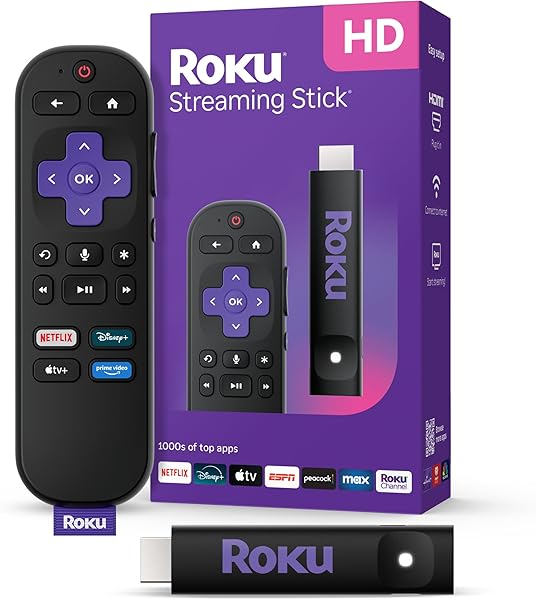
- ✓1080p HD streaming from 500+ apps
- ✓Plug into any HDMI port, no setup needed
- ✓Access free movies, shows, and live TV
Check Price
available at
1Best Overall
18,195reviews
Roku Streaming Stick HD
- ✓1080p HD streaming from 500+ apps
- ✓Plug into any HDMI port, no setup needed
- ✓Access free movies, shows, and live TV
9.4
Check Price
available at
2
9.4
108,432 reviews
Amazon Fire TV Stick 4K Plus
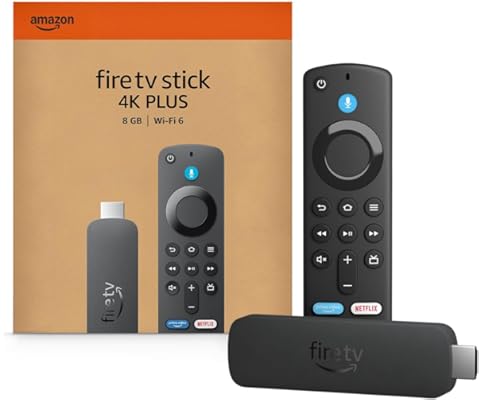
- ✓Advanced 4K streaming - Elevate your
- ✓Play Xbox games, no console required – Stream
- ✓Smarter searching starts here with Alexa
Check Price
available at
2
108,432reviews
Amazon Fire TV Stick 4K Plus
- ✓Advanced 4K streaming - Elevate your
- ✓Play Xbox games, no console required – Stream
- ✓Smarter searching starts here with Alexa
9.4
Check Price
available at
3
9.4
102,757 reviews
Roku Express 4K+ Streaming Device
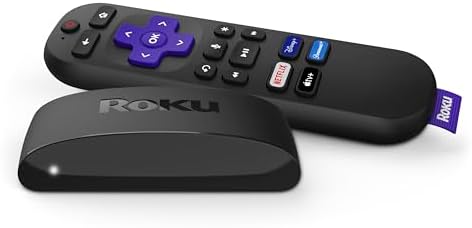
- ✓4K HDR streaming with voice remote control
- ✓Fast WiFi connectivity for smooth playback
- ✓Access 500+ free channels and apps
Check Price
available at
3
102,757reviews
Roku Express 4K+ Streaming Device
- ✓4K HDR streaming with voice remote control
- ✓Fast WiFi connectivity for smooth playback
- ✓Access 500+ free channels and apps
9.4
Check Price
available at
4
9.4
64,696 reviews
Amazon Fire TV Stick HD with Alexa
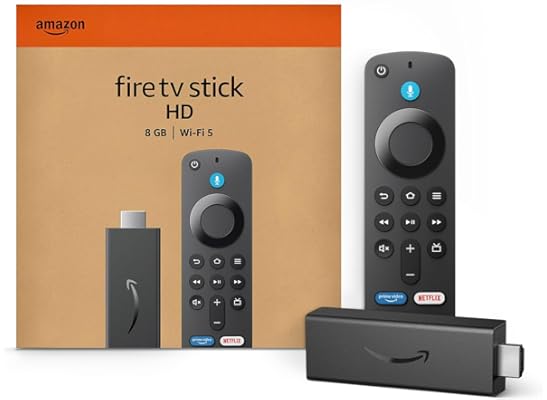
- ✓1080p Full HD streaming on affordable device
- ✓Alexa voice remote controls TV and smart home
- ✓Access free live TV plus Prime Video and apps
Check Price
available at
4
64,696reviews
Amazon Fire TV Stick HD with Alexa
- ✓1080p Full HD streaming on affordable device
- ✓Alexa voice remote controls TV and smart home
- ✓Access free live TV plus Prime Video and apps
9.4
Check Price
available at
5
9.2
76,262 reviews
Amazon Fire TV Stick 4K Max
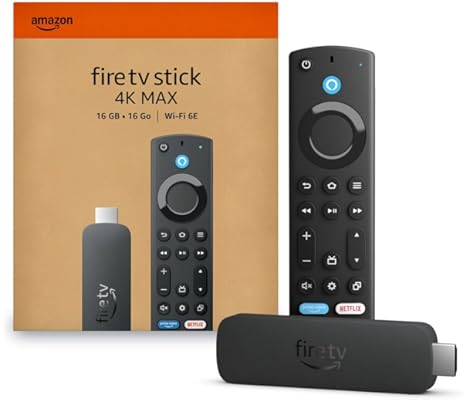
- ✓Wi-Fi 6E for 4K streaming at 60fps
- ✓Xbox Game Pass games without console
- ✓Alexa voice remote with power controls
Check Price
available at
5
76,262reviews
Amazon Fire TV Stick 4K Max
- ✓Wi-Fi 6E for 4K streaming at 60fps
- ✓Xbox Game Pass games without console
- ✓Alexa voice remote with power controls
9.2
Check Price
available at
6
9.0
7,696 reviews
Roku Ultra 4K Streaming Player

- ✓30% faster interface than other Roku models
- ✓4K HDR streaming with voice control remote
- ✓Rechargeable remote with lost device finder
Check Price
available at
6

7,696reviews
Roku Ultra 4K Streaming Player
- ✓30% faster interface than other Roku models
- ✓4K HDR streaming with voice control remote
- ✓Rechargeable remote with lost device finder
9.0
Check Price
available at
7
8.8
5,267 reviews
Amazon Echo Show 15 Smart Display

- ✓15.6" Full-HD display for kitchen viewing
- ✓Customizable widgets for family organization
- ✓Voice control with Alexa integration
Check Price
available at
7

5,267reviews
Amazon Echo Show 15 Smart Display
- ✓15.6" Full-HD display for kitchen viewing
- ✓Customizable widgets for family organization
- ✓Voice control with Alexa integration
8.8
Check Price
available at
8
Best Value
8.8
4,068 reviews
Echo Show 8 (2024) 8.7" HD Smart Display
- ✓8.7" HD touchscreen with 15% larger viewing area
- ✓Built-in smart home hub controls Alexa devices
- ✓Spatial audio with room-filling sound quality
Check Price
available at
8Best Value
4,068reviews
Echo Show 8 (2024) 8.7" HD Smart Display
- ✓8.7" HD touchscreen with 15% larger viewing area
- ✓Built-in smart home hub controls Alexa devices
- ✓Spatial audio with room-filling sound quality
8.8
Check Price
available at
9
8.4
8,301 reviews
Amazon Fire TV Stick 4K Select
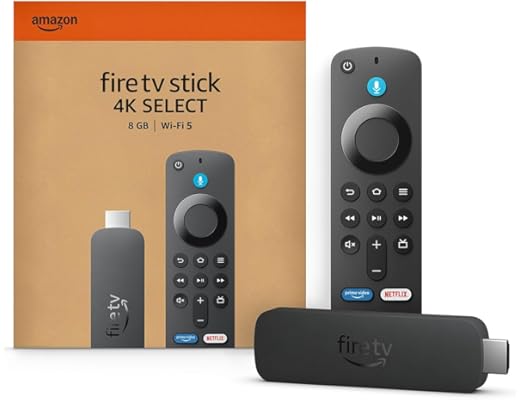
- ✓4K Ultra HD with HDR10+ support
- ✓Access 1000+ streaming apps in one place
- ✓Voice search across multiple services
Check Price
available at
9
8,301reviews
Amazon Fire TV Stick 4K Select
- ✓4K Ultra HD with HDR10+ support
- ✓Access 1000+ streaming apps in one place
- ✓Voice search across multiple services
8.4
Check Price
available at
10
8.0
8 reviews
Google TV Streamer 4K

- ✓4K streaming from all major services
- ✓HDMI 2.1 cable required (sold separately)
- ✓Personalized recommendations based on your viewing
Check Price
available at
10

8reviews
Google TV Streamer 4K
- ✓4K streaming from all major services
- ✓HDMI 2.1 cable required (sold separately)
- ✓Personalized recommendations based on your viewing
8.0
Check Price
available at
Buyer's Guide
Supported Resolution and HDR
Choose 4K models only if you have a 4K TV—otherwise HD sticks at $30-40 save money with identical app performance. HDR10+ and Dolby Vision matter for premium content on services like Netflix and Disney+, but both formats are rarely supported simultaneously. Fire TV devices favor HDR10+, while Roku supports Dolby Vision more consistently.
Processor Speed and Interface Responsiveness
The gap between budget and premium models is significant. Fire TV Stick 4K Max (2.0GHz quad-core) loads apps 30-40% faster than the basic HD stick (1.7GHz quad-core). Roku's interface is lighter-weight, so even the Express 4K+ feels snappy despite less powerful hardware. If you multitask between apps or use voice search heavily, processor speed prevents frustrating lag.
Remote Features and Voice Control
TV volume/power controls are now standard, but voice remotes vary. Alexa integration on Fire devices allows smart home control and more natural commands. Roku's voice search works across all apps simultaneously—searching "The Office" shows results from Netflix, Hulu, and free channels with pricing. Premium remotes add rechargeable batteries and headphone jacks for private listening.
Ecosystem Lock-In and Content Availability
Fire TV prioritizes Amazon content (Prime Video, IMDb TV) in menus and search results, though all major apps install normally. Roku maintains strict neutrality, treating all services equally. Apple TV+ availability is universal now, but niche apps sometimes launch on Roku or Fire TV first. Consider which free channels matter—Roku has 300+ live channels; Fire TV emphasizes free IMDb TV content.
FAQ
Do I need the 4K Max over the regular 4K stick?+
Only if you stream while gaming or use bandwidth-heavy apps simultaneously—the Max has WiFi 6E and 16GB storage versus 8GB. For most single-app streaming, the regular 4K stick performs identically at $20 less.
Will these work with my older non-smart TV?+
Yes, any TV with an HDMI port works. Rokus include an HDMI extender cable for tight spaces, while Fire Sticks require separate purchase if your TV's HDMI ports are recessed.
Can I use these without an Amazon or Roku account?+
Both require free account creation during setup. Fire TV needs an Amazon account (even without Prime), and Roku requires email registration, but neither charges fees beyond optional service subscriptions.
Which has better app selection for international content?+
Roku leads with 10,000+ channels including obscure international services, while Fire TV has around 500,000 apps but fewer specialized ethnic or regional streaming apps outside major markets.
How We Rank
Updated April 2026 · refreshed monthly
Each ranking combines verified-purchase reviews from Amazon, expert research from independent publications, and our editors' own judgment on what each product is genuinely best for.
Read our full method →